

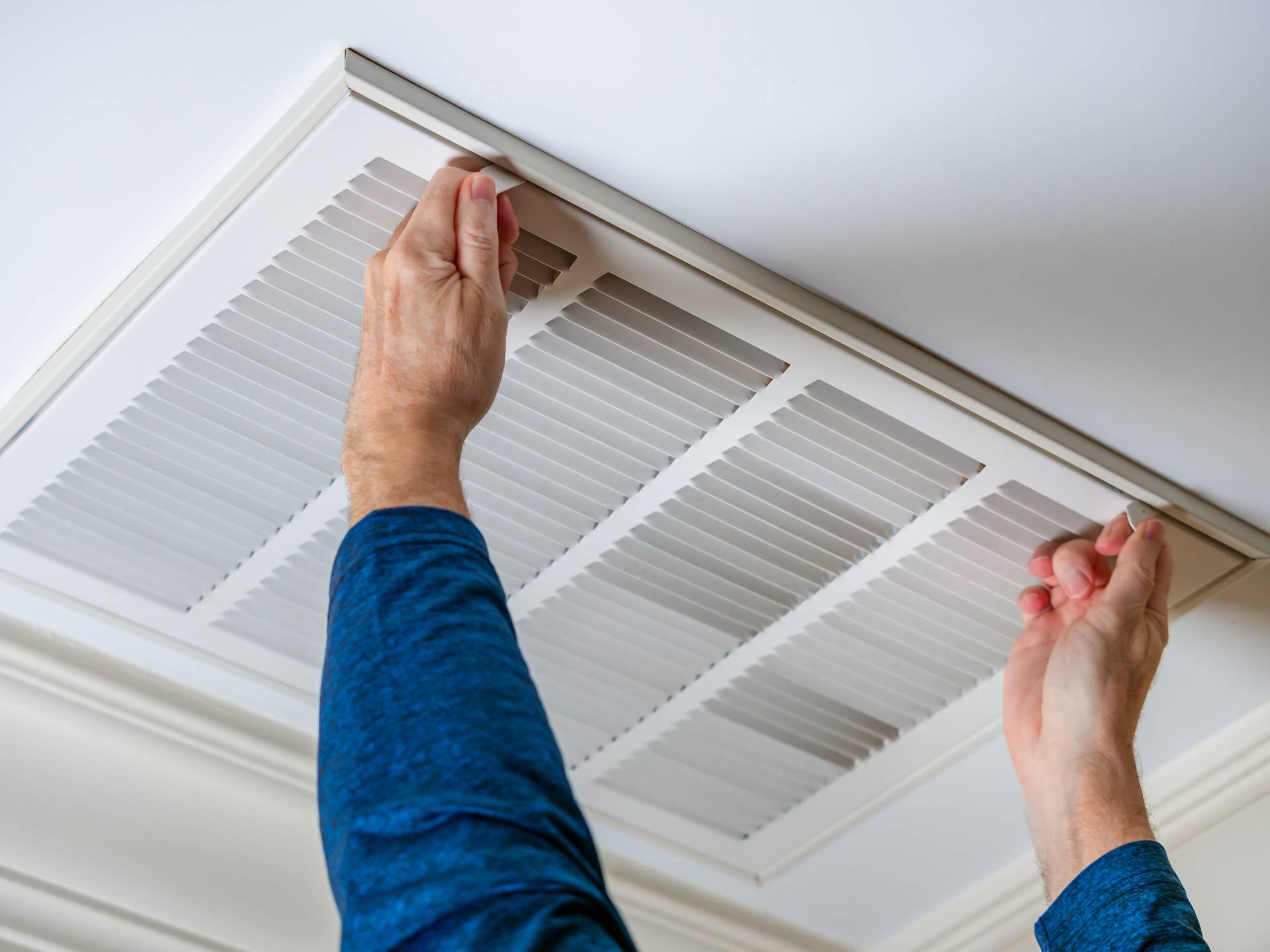
Tiny pits on metal HVAC surfaces can be easy to miss because they often begin beneath dust, moisture residue, or grime. Localized corrosion may gradually roughen sheet metal and other exposed components long before a homeowner notices a larger problem. Routine HVAC cleaning can uncover those early changes, remove contributing debris, and make it easier to decide whether the affected area needs cleaning, repair, or replacement.
Small Pits Can Signal a Bigger Moisture Problem
Surface pitting develops when corrosion attacks small areas of metal rather than wearing the entire surface evenly. Condensation, persistent humidity, chemical residue, and trapped contaminants can all contribute to the conditions that allow this damage to form. Dust can make matters worse by holding moisture against metal longer than a clean surface would.
Early detection matters because cleaning cannot restore metal that has already been eaten away. A technician performing HVAC cleaning can remove accessible deposits and inspect the exposed surface, but deeper pits, perforations, or weakened sections may need attention from a qualified HVAC professional.
Why Does Dirt Make Early Corrosion Harder to Spot?
Layers of gray dust can hide discoloration, tiny rust points, mineral residue, and changes in surface texture. A duct or cabinet may look merely dirty until cleaning exposes small cavities or rough areas underneath. Those details help distinguish normal surface grime from damage that deserves closer evaluation.
Inspection is especially useful around areas that experience temperature changes or condensation. Homeowners searching for HVAC cleaning near me can ask whether technicians visually check accessible metal surfaces before and after cleaning rather than focusing only on removing loose dust from the duct runs.
Condensation Often Leaves Clues Before Pitting Gets Worse
Recurring moisture can appear around poorly insulated ducts, cooling equipment, drain areas, or sections exposed to humid attic or crawl-space air. Water spots, staining, flaking coatings, and repeated rust marks may reveal a condition that has been present much longer than a single wet day.
Correcting the water source should take priority over repeated surface cleaning. During HVAC cleaning in Columbia TN, visible moisture patterns can alert homeowners to insulation gaps, drainage trouble, air leaks, or other issues that need separate repair before corrosion continues spreading.
Cleaning Methods Must Match the Condition of the Metal
Aggressive brushing is not always appropriate once pitting has weakened or roughened a surface. Heavy mechanical force can remove loose corrosion products, but it may also damage deteriorated coatings or thin metal that has already lost strength. Technicians need to judge the condition before selecting brushes, air tools, or gentler vacuum methods.
Controlled cleaning works best when the goal is to remove dust and residue without making existing damage worse. Columbia HVAC cleaning should therefore begin with inspection, especially around older ductwork, metal plenums, or accessible equipment surfaces showing stains, rust, or unusual texture.
What Happens If Pitted Metal Is Simply Ignored?
Localized corrosion can deepen over time if the moisture or contaminant causing it remains present. Severe damage may eventually create pinholes, weakened seams, or areas that no longer seal properly, which can allow conditioned air to escape or unwanted air to enter the system.
Small imperfections do not always mean immediate replacement is necessary, however. An HVAC professional can evaluate wall thickness, location, structural condition, and whether sealing or component replacement makes more sense than continued cleaning alone.
Deposits Can Hold Corrosive Material Against the Surface
Household dust is not chemically identical from one home to another. Fine particles may contain salts, cleaning-product residue, construction dust, outdoor pollutants, or other material that can combine with moisture and remain trapped against metal surfaces.
Removing that layer reduces the amount of debris sitting on accessible HVAC components. Corrective HVAC cleaning is most useful at this stage because it exposes the underlying condition and removes contamination that could otherwise continue collecting moisture around already vulnerable spots.
Pitting Near Seams and Fasteners Deserves Extra Attention
Joints, screws, folded edges, and other connection points often hold dirt differently than broad flat surfaces. Crevices can collect moisture and residue, making these locations harder to inspect until buildup is removed.
Close examination may reveal corrosion concentrated around fasteners while nearby metal still looks sound. Technicians can document those findings so homeowners know whether the area needs sealing, repair, or further inspection rather than assuming another cleaning appointment will solve the underlying problem.
Protective Coatings Cannot Fix Deep Corrosion by Themselves
Coatings and sealants work best when applied to properly prepared surfaces that remain structurally sound. Covering dirt, loose rust, or active moisture can trap the problem underneath and make future inspection more difficult.
Surface preparation may involve professional cleaning, drying, and evaluation before any approved coating is considered. Material compatibility matters as well, particularly inside HVAC systems where products must be suitable for the specific application and should never be used simply to hide visible deterioration.
Regular Inspection Makes Corrective Cleaning More Useful
Scheduled HVAC maintenance gives technicians repeated opportunities to compare surface condition over time. Photographs or service notes can show whether a small pitted area remains stable or continues expanding between visits.
Tracking those changes helps prevent unnecessary cleaning while still catching deterioration early enough for practical action. Properties with recurring condensation, older metal ductwork, or previous corrosion may benefit from closer observation than systems that remain consistently dry and clean.
Cleaning Can Reveal the Point Where Repair Should Take Over
Removing dust and residue is valuable, but there is a clear limit to what HVAC cleaning can accomplish once corrosion has damaged the metal itself. Pitting that affects structural strength, creates holes, or continues spreading after moisture correction belongs in the hands of an HVAC repair professional.
For Columbia homeowners concerned about hidden corrosion beneath accumulated debris, Mr. B’s Air Duct Cleaning can help expose what is actually happening inside accessible HVAC pathways. Their cleaning service can remove buildup that masks early surface damage, making it easier to identify pitting sooner and determine when routine cleaning should give way to repair or replacement.