

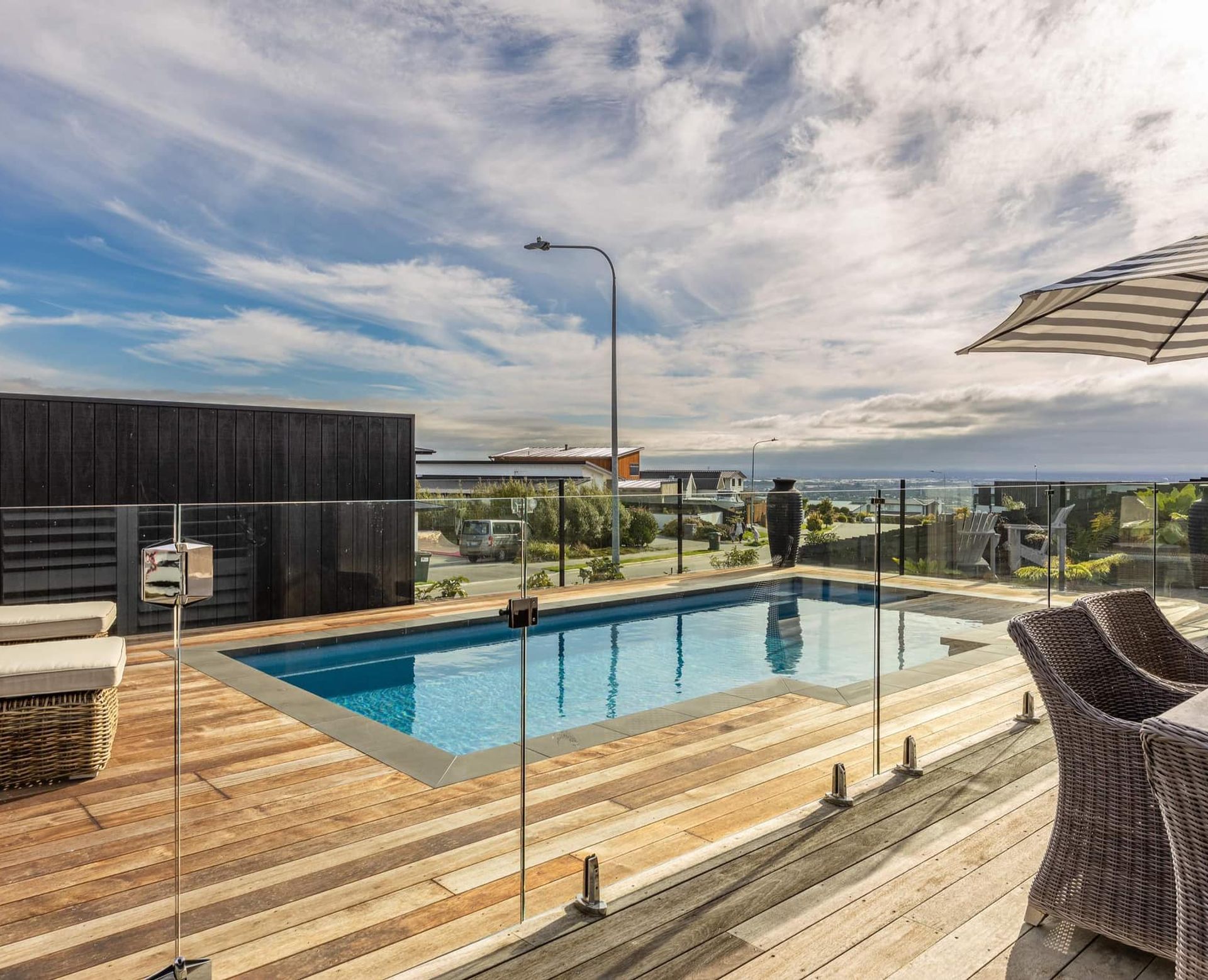
Learn How To Secure Glass Fencing Sunshine Coast for ultimate safety and peace of mind. Expert tips on compliance, installation, and durable hardware for your home.
How To Secure Glass Fencing Sunshine Coast
The Sunshine Coast, with its stunning outdoor spaces and a lifestyle centred around sun and water, makes swimming pools and outdoor entertaining areas highly desirable. However, the allure of open-plan living must always be balanced with paramount safety, especially concerning children and pets. This is where Glass Fencing Sunshine Coast comes into play, offering a sophisticated barrier solution that combines aesthetic appeal with unwavering security. But merely installing glass panels isn’t enough; knowing How To Secure Glass Fencing Sunshine Coast properly is crucial for compliance, durability, and, most importantly, the safety of your loved ones.
Securing glass fencing goes beyond simply erecting panels; it encompasses rigorous adherence to Australian Standards, meticulous installation techniques, and the selection of high-quality, resilient components. This article will delve into the essential steps and considerations involved in ensuring your Glass Fencing Sunshine Coast is not just beautiful, but also robustly secure, providing you with complete peace of mind.
Key Takeaways:
- How To Secure Glass Fencing Sunshine Coast involves strict adherence to in Australia safety standards, particularly AS 1926.1-2012 for pool fences.
- Choosing the right type of glass (toughened safety glass) and marine-grade hardware is fundamental for durability.
- Professional installation, including proper footing and fixing methods, is critical for structural integrity.
- Self-closing, self-latching gates are a non-negotiable safety feature, often requiring specific hardware and alignment.
- Regular inspection and maintenance are essential for long-term security and compliance of your Glass Fencing Sunshine Coast.
Understanding How To Secure Glass Fencing Sunshine Coast empowers you to make informed decisions, ensuring your investment serves its primary purpose: providing a safe, aesthetically pleasing, and compliant barrier that allows you to fully enjoy your outdoor environment without compromise.
Understanding Compliance How To Secure Glass Fencing Sunshine Coast
The very first step in understanding How To Secure Glass Fencing Sunshine Coast is to thoroughly grasp the relevant in Australia building codes and safety standards. Non-compliance is not only a legal risk, potentially leading to fines and mandatory rectification, but also a severe safety hazard.
Pool Fencing Regulations (AS 1926.1-2012): For pool safety barriers, the primary standard is AS 1926.1-2012. This comprehensive standard dictates numerous requirements designed to prevent unsupervised access to the pool area, particularly by young children. Key elements include:
- Minimum Height: The fence must be at least 1200mm high from the finished ground level.
- Non-Climbable Zone: There must be a 900mm non-climbable zone around the fence, extending inwards from the top. For glass fencing, this often means ensuring there are no nearby objects (e.g., BBQ, pool pump, pot plants) that a child could use to climb over.
- Gap Sizes: Gaps under the fence or between panels must not exceed 100mm. This is crucial for preventing small children from squeezing through.
- Gates: All gates must be self-closing and self-latching from any open position. The latch release mechanism must be located on the inside of the gate, at least 1500mm above ground level, or shielded if lower, to prevent a child from reaching it.
- Boundary Fences: If a boundary fence forms part of the pool barrier, it must also meet pool fencing standards.
Balustrade Standards (BCA and AS/NZS 2208): For balconies, decks, and stairs, glass balustrades must comply with the Building Code of in Australia (BCA) and AS/NZS 2208 for safety glazing materials. These standards dictate minimum heights (usually 1000mm for most residential applications, 865mm for stairs), structural load requirements, and the type of glass to be used. All glass must be toughened safety glass, which is designed to be highly resistant to impact and, if broken, to shatter into small, relatively harmless pieces.
Engaging a Certified Professional: The most reliable way to ensure Glass Fencing Sunshine Coast is compliant is to engage a licensed and experienced professional installer. They are well-versed in the latest regulations, understand the nuances of local council requirements, and can guarantee that your installation meets all necessary standards. They can also advise on necessary modifications to your property to ensure full compliance, such as moving potential climbing aids.
Robust Materials How To Secure Glass Fencing Sunshine Coast
The integrity of Glass Fencing Sunshine Coast as a secure barrier relies fundamentally on the quality and robustness of its materials. Cutting corners here will compromise both safety and longevity.
Toughened Safety Glass: This is the bedrock of secure glass fencing. Only toughened (tempered) safety glass, typically 10mm or 12mm thick for pools and balustrades, should ever be used. This glass undergoes a special thermal treatment process that significantly increases its strength (up to five times stronger than regular glass) and its ability to withstand impact. Crucially, if it does break, it shatters into small, blunt granular pieces, significantly reducing the risk of serious injury. This makes it an incredibly safe material for high-traffic areas and around pools, directly answering How To Secure Glass Fencing Sunshine Coast against accidental breakage.
Marine-Grade Stainless Steel Hardware: The hardware that secures the glass panels is just as vital as the glass itself, especially in the corrosive coastal environment of the Sunshine Coast. Only marine-grade 316 stainless steel should be specified for spigots, clamps, hinges, latches, and posts (if semi-frameless). This specific grade of stainless steel contains molybdenum, which provides superior resistance to corrosion from salt spray and humidity. Inferior grades (like 304 stainless steel) will quickly succumb to “tea staining” (surface rust) and pitting, compromising both the aesthetic appeal and, more importantly, the structural integrity and security of the fence over time. Opting for cheaper, non-marine-grade hardware is a false economy that will ultimately lead to higher maintenance costs and potential safety failures.
Quality Aluminium (for Semi-Frameless): For semi-frameless Glass Fencing Sunshine Coast, high-grade aluminium posts are a popular and durable option. These posts should be constructed from robust, structural-grade aluminium alloys and finished with a high-quality powder coating. This coating not only provides a wide range of colour options but also offers an extremely durable, chip-resistant, and UV-stable protective layer against the elements. A good powder coat ensures the posts remain strong and do not corrode, crack, or fade, maintaining the fence’s security and appearance.
By insisting on these high-quality, purpose-engineered materials, you are building a Glass Fencing Sunshine Coast solution that is inherently robust and secure from the ground up, designed to withstand the test of time and environment.
Installation Best Practices: How To Secure Glass Fencing Sunshine Coast
Even with the best materials, knowing How To Secure Glass Fencing Sunshine Coast truly comes down to professional, meticulous installation. Flawed installation can undermine the integrity of the entire system, regardless of material quality.
Solid Footings and Anchoring: The foundation of a secure glass fence lies in its anchoring.
- Core-drilled spigots (frameless): For frameless systems, spigots are typically core-drilled into concrete slabs or footings. This involves drilling precise holes and then epoxying the spigots securely into place. The depth of the core drilling and the quality of the non-shrink grout or epoxy used are critical for long-term stability and resistance to lateral forces.
- Base-plated spigots/posts: If direct core drilling isn’t feasible, base-plated spigots or posts are bolted onto a solid surface (e.g., timber deck, concrete slab). The bolts must be of appropriate size and material (e.g., stainless steel dynabolts or chemical anchors) and penetrate deep enough to provide adequate hold. Professional installers understand the load-bearing capacity of different substrates and will select the most secure anchoring method.
- In-ground posts (semi-frameless): For semi-frameless systems where posts are concreted directly into the ground, proper post hole depth, concrete mix, and curing time are essential for creating a stable foundation.
Precision Panel Alignment and Gapping: Glass panels must be perfectly aligned and spaced to meet safety regulations (e.g., maximum 100mm gap between panels) and ensure structural integrity. Misaligned panels can place undue stress on the glass or hardware, potentially leading to cracking or failure over time. Professional installers use laser levels and precise techniques to achieve perfect alignment and consistent gapping.
Gate Hardware and Swing: Gates are often the weakest link in any fence if not installed correctly. For Glass Fencing Sunshine Coast, self-closing, self-latching hinges and latches are mandatory for pool fences. The installer must ensure the hinges are correctly tensioned for reliable closing from any open position, and the latch mechanism engages securely every time. The gate swing direction and placement must also prevent direct access to the pool area, ensuring no climbing points are created by the gate’s movement. Expert installation ensures these critical components function flawlessly for maximum safety and compliance.
Ongoing Vigilance: How To Secure Glass Fencing Sunshine Coast
Once installed, knowing How To Secure Glass Fencing Sunshine Coast for the long term involves ongoing vigilance and simple maintenance practices. Even the most robust installation can be compromised over time if neglected.
Regular Inspections: Periodically inspect your entire glass fence system.
- Glass Panels: Look for any signs of cracks, chips, or scratches that could compromise the integrity of the toughened glass.
- Hardware: Check all spigots, clamps, posts, hinges, and latches for any signs of loosening, movement, or corrosion. Even marine-grade stainless steel can show surface “tea staining” if not occasionally cleaned, which, if ignored, could lead to deeper issues. Ensure all bolts are tight.
- Gates: Test your gate regularly to ensure it still self-closes and self-latches securely from all open positions. Check that the latch release mechanism is still functioning correctly and is out of reach of small children. Any stiffness or grinding in hinges should be addressed promptly.
- Surrounding Area: Ensure that no objects have been placed near the fence that could serve as climbing aids (e.g., chairs, tables, toys, garden planters). Keep the non-climbable zone clear.
Cleaning and Maintenance: While glass fencing is low-maintenance, regular cleaning contributes to its longevity and helps you spot potential issues. A simple wash with mild detergent and water, or a specific glass cleaner, will remove dirt, salt spray, and water spots, keeping the glass sparkling clear. For hardware, a wipe down with a damp cloth and occasional application of a suitable stainless steel cleaner can prevent build-up and maintain its finish. Addressing “tea staining” early by cleaning it off prevents it from becoming more severe.
Professional Checks: Consider having a professional Glass Fencing Sunshine Coast specialist conduct an annual or bi-annual inspection, especially for pool fences. They can spot potential issues that you might miss, tighten any loose components, and ensure your fence remains fully compliant with the latest safety standards. This proactive approach is the best way to maintain the long-term security and integrity of your Glass Fencing Sunshine Coast, providing enduring safety and peace of mind for your property.