


Key Takeaways
- Inspect the roof regularly for damage, leaks, and aging materials.
- Consider the full roofing system, including flashing, drainage, ventilation, and underlayment.
- Repair isolated damage when appropriate and assess the full system when problems are widespread.
- Choose roofing materials based on the home’s conditions, budget, and maintenance needs.
- Prepare gutters, drainage, and roof components before severe weather.
- Compare written estimates and confirm permits and local requirements before major work.
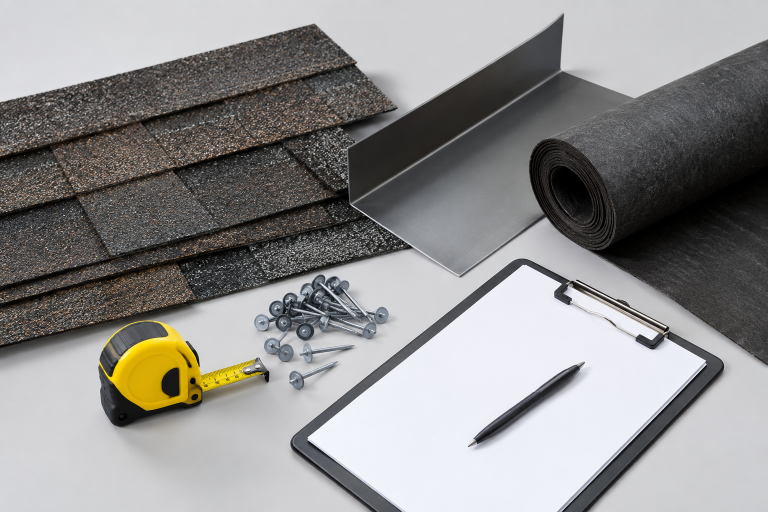
Cape Coral homes face long periods of sun, heavy seasonal rain, humid air, and the possibility of tropical weather. Those conditions make roof planning more than a cosmetic decision. A homeowner who notices early warning signs and consults a qualified roofer can gather the information needed to decide whether monitoring, repair, or replacement makes sense. A roof should be considered as a complete water-management system, not simply its outer layer. The deck, underlayment, flashing, vents, fasteners, gutters, and drainage paths all affect how well the home sheds water and resists wind-driven rain. Roof age is a useful context, but it does not tell the whole story. Two roofs installed in the same year can age differently because of shade, drainage, prior repairs, attic ventilation, material selection, and exposure to wind or debris. Planning before a leak reaches the living space gives homeowners more time to compare scopes of work, confirm permit requirements, and choose materials deliberately. It can also reduce the pressure to make decisions immediately after a severe weather event. For homeowners evaluating a larger project, understanding the components of residential roofing can help make discussions about estimates more specific. Rather than comparing a single price, compare the proposed materials, removal work, flashing details, ventilation, cleanup, and process for addressing concealed deck damage.
Why Planning Matters in Cape Coral
Coastal conditions can expose a roofing system to heat, moisture, ultraviolet light, salt-containing air, and periods of intense rainfall. These factors can affect surface materials and metal components over time. Regular observation helps homeowners identify small concerns before they become more complicated water-intrusion problems. Pay attention to the roof edges, valleys, wall intersections, plumbing vents, skylights, and other penetrations. These transitions depend on properly installed flashing and water-shedding details. Gutters and downspouts also matter because blocked drainage can cause water to collect where it should be moving away from the home.
When to Schedule a Roof Inspection
A professional evaluation is especially useful after strong winds, heavy rain, or flying debris. It is also reasonable to arrange an inspection when ceiling stains, attic moisture, peeling paint near rooflines, or recurring leaks are present.
- Inspect when shingles curl, crack, loosen, or show notable granule loss.
- Check tile roofs after impact or severe weather for broken, shifted, or loose tiles.
- Review metal roofs when panels, fasteners, seams, or flashing show movement or corrosion.
- Request an assessment before buying or selling an older property.
- Address known weak areas before the season when tropical weather becomes a concern.
Repair or Replacement: Which Path Fits?
When a Repair May Be Reasonable
A targeted repair may be appropriate when damage is confined to a small, identifiable area, the roof deck is sound, and the roof is not broadly worn. A missing component, localized flashing issue, or isolated storm impact can sometimes be addressed without replacing the entire system.
When Replacement May Be Worth Considering
Replacement may be the more practical long-term option when leaks recur, deterioration occurs across several roof sections, or water has affected underlying materials. Widespread brittleness, cracked or curled shingles, aging underlayment, and recurring repairs can all justify a full assessment. The decision should be based on close inspection, not only on what is visible from the ground.
Comparing Common Roofing Materials
No single roof covering is ideal for every Cape Coral home. Roof slope, structural design, maintenance expectations, budget, local requirements, and exposure all influence the choice.
- Asphalt shingles: Available in many styles and generally associated with a lower initial material cost. Installation details, fastening, ventilation, and wind rating deserve close attention.
- Metal roofing: Often selected for its long potential service life. Seams, edges, fasteners, coatings, and corrosion-resistant components are important parts of the system.
- Tile roofing: Offers a distinct appearance and handles heat exposure well, but individual tiles can break or shift. The underlayment and supporting structure remain essential.
- Flat and low-slope systems: Depend heavily on drainage, seams, penetrations, perimeter details, and prompt correction of standing water.
Roof Features That Support Storm Readiness
Storm readiness begins well before a forecast appears. Useful areas to review include wind-rated materials, correct fastening patterns, secure edge details, sound flashing, water-resistant underlayment, clear gutters, functional downspouts, and protected roof penetrations. Attic ventilation should also be evaluated as part of the overall roof system. Property preparation matters, too. Homeowners can use hurricane planning guidance before a tropical storm or hurricane to organize household safety steps, including communication, evacuation, and supply planning. Roofing work should not be treated as a substitute for a broader emergency plan.
Permits, Codes, and Project Timing
Reroofing projects may involve permits and inspections, depending on the property and scope of work. Requirements can affect underlayment, fastening, wind-resistance details, and other installation choices. Confirm the current rules with the local building department before work begins, and review the available Florida Building Code resources for broader code information. Build weather flexibility into the schedule. Material availability, permit processing, inspections, rain, and tropical systems can all affect the timeline. Recording the roof’s age and repair history, obtaining written findings with photos, ordering materials early, and planning a final walkthrough can make the project easier to manage.
Comparing Estimates and Preparing the Property
A written estimate should identify roof measurements, proposed materials, tear-off and disposal, underlayment, flashing, ventilation work, permits, cleanup, warranties, payment terms, and change-order procedures. Ask how unexpected deck repairs would be documented and priced so that the process is clear before work starts. Before installation, move vehicles from the work zone, protect attic belongings, secure outdoor furniture, clear access for deliveries, and keep children and pets away from equipment. Ask how landscaping, driveways, and loose nails will be managed during cleanup.
Common Mistakes and Frequently Asked Questions
What planning mistakes should homeowners avoid?
Common mistakes include waiting for an interior leak, selecting materials based solely on price, comparing estimates with different scopes of work, overlooking flashing or drainage, skipping required permits, and assuming every storm means a complete replacement.
How often should a roof be checked?
Homeowners should regularly monitor the roof from the ground and arrange a closer inspection after significant weather events, visible damage, repeated leaks, or new signs of aging.
Is repair always less expensive than replacement?
Repair usually has a lower immediate cost. However, repeated repairs to a widely worn roof can add to expenses while delaying a larger decision. The best choice depends on the condition of the full system.
Final Thoughts
Thoughtful roof planning starts with accurate information. A careful inspection, a clear estimate, appropriate materials, and a realistic schedule can help Cape Coral homeowners make a measured decision rather than react to the next leak or storm. Homeowners should also consider the roof’s age, previous repairs, drainage, flashing, ventilation, and the effects of Florida’s heat, humidity, heavy rain, and strong winds. Comparing written estimates and asking questions about materials, installation methods, warranties, cleanup, and unexpected conditions can make the project easier to understand before work begins. Regular inspections and timely maintenance can also help identify minor issues before they become more disruptive problems. By planning and understanding the roof’s current condition, homeowners can make more informed decisions about repairs, maintenance, or eventual replacement.